WHAT WE INSTALL
Solar is more involved than most people realise, and the industry isn't always honest about it. Here's exactly what Solar Coaster installs and why, in plain terms, so you can make a good decision with your eyes open. If you want the technical detail, it's here too. If you don't, you don't need it.
IT STARTS WITH THE DESIGN
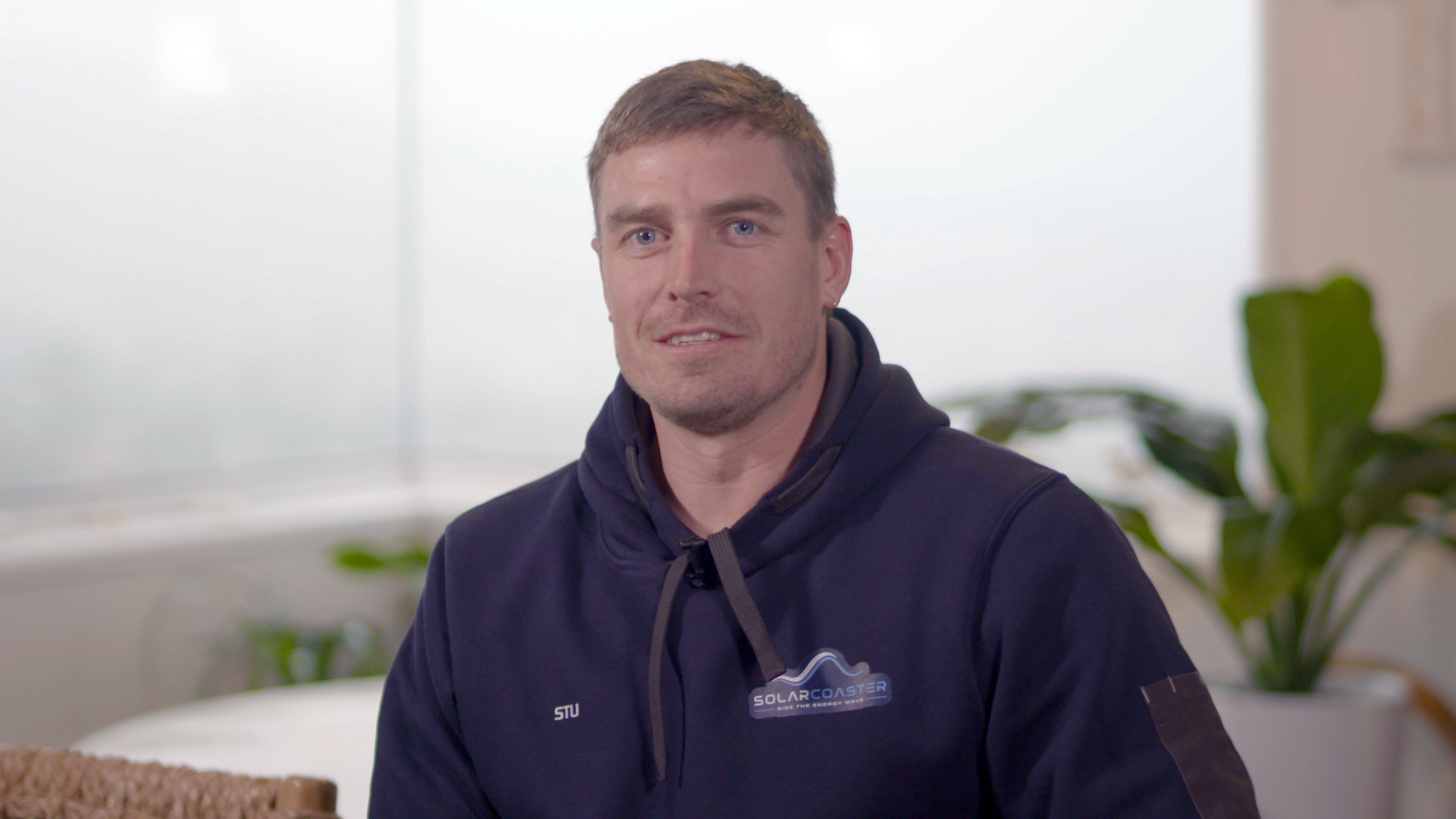
Most solar gets designed in an office from an aerial photo of your house, by someone who's never installed a panel. That's how you end up with shading problems, undersized cables, and a quote that changes on installation day. Stu designs from a real site visit: looking at your actual roof, your switchboard, and where everything can compliantly go. Cables are sized properly for efficiency, not sized down to cut costs. It's the difference between a system that performs for 25 years and one you paid for but never get the full benefit from.
SOLAR PANELS
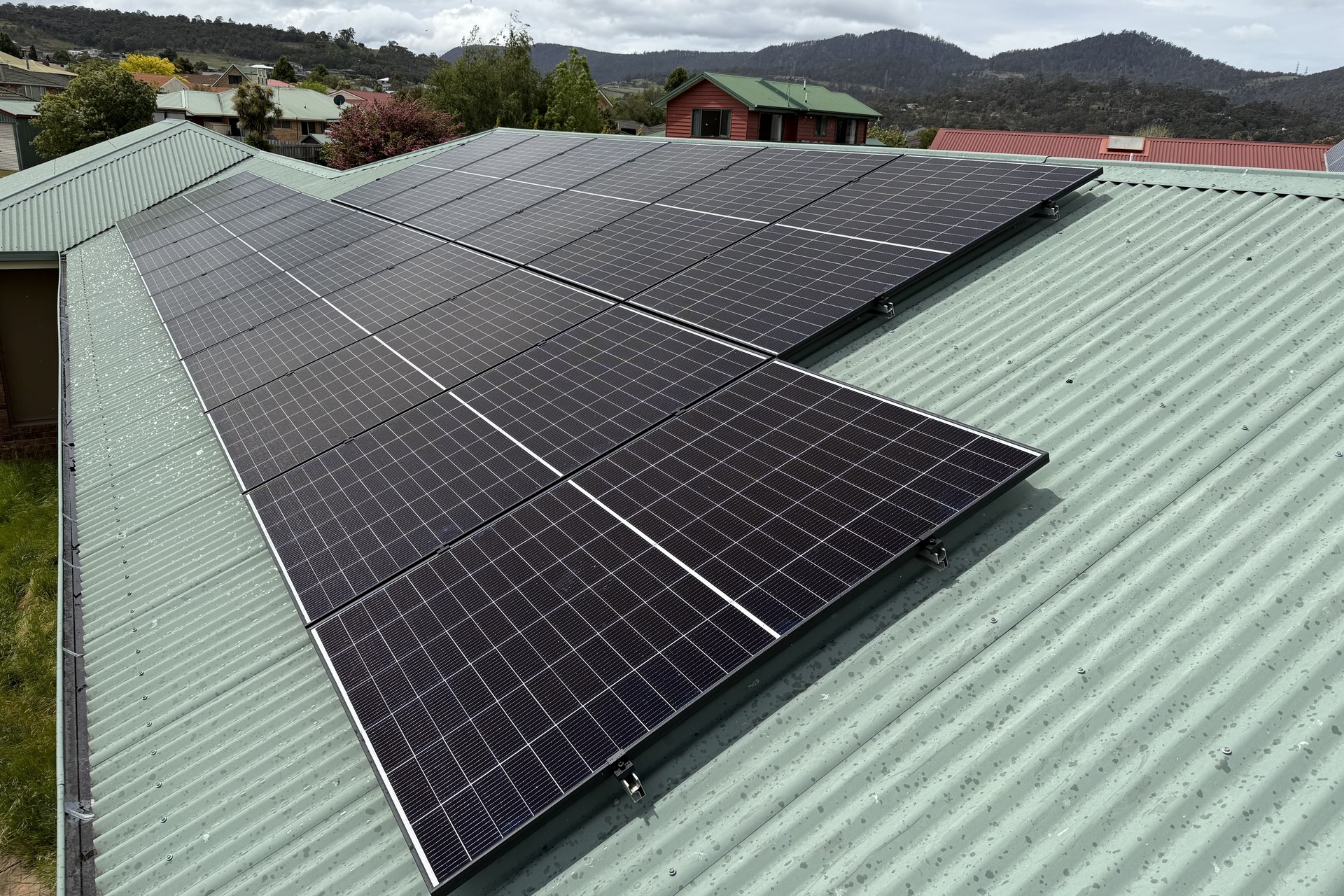
We install high-efficiency panels from proven manufacturers, picked for how they actually perform in Tasmanian conditions rather than for being the cheapest option on the shelf. Panel technology keeps improving, so we install current-generation panels that will still be pulling their weight decades from now.
Panels come with a 25-year product warranty and a 30-year performance warranty. They're guaranteed to a maximum degradation rate (around 1% in the first year, then roughly 0.35% a year), so after 30 years they should still be operating at about 88% efficiency. Efficiency ratings climb every six months or so at the moment, so we install the most efficient panels available rather than older, cheaper stock that outputs less.
INVERTERS
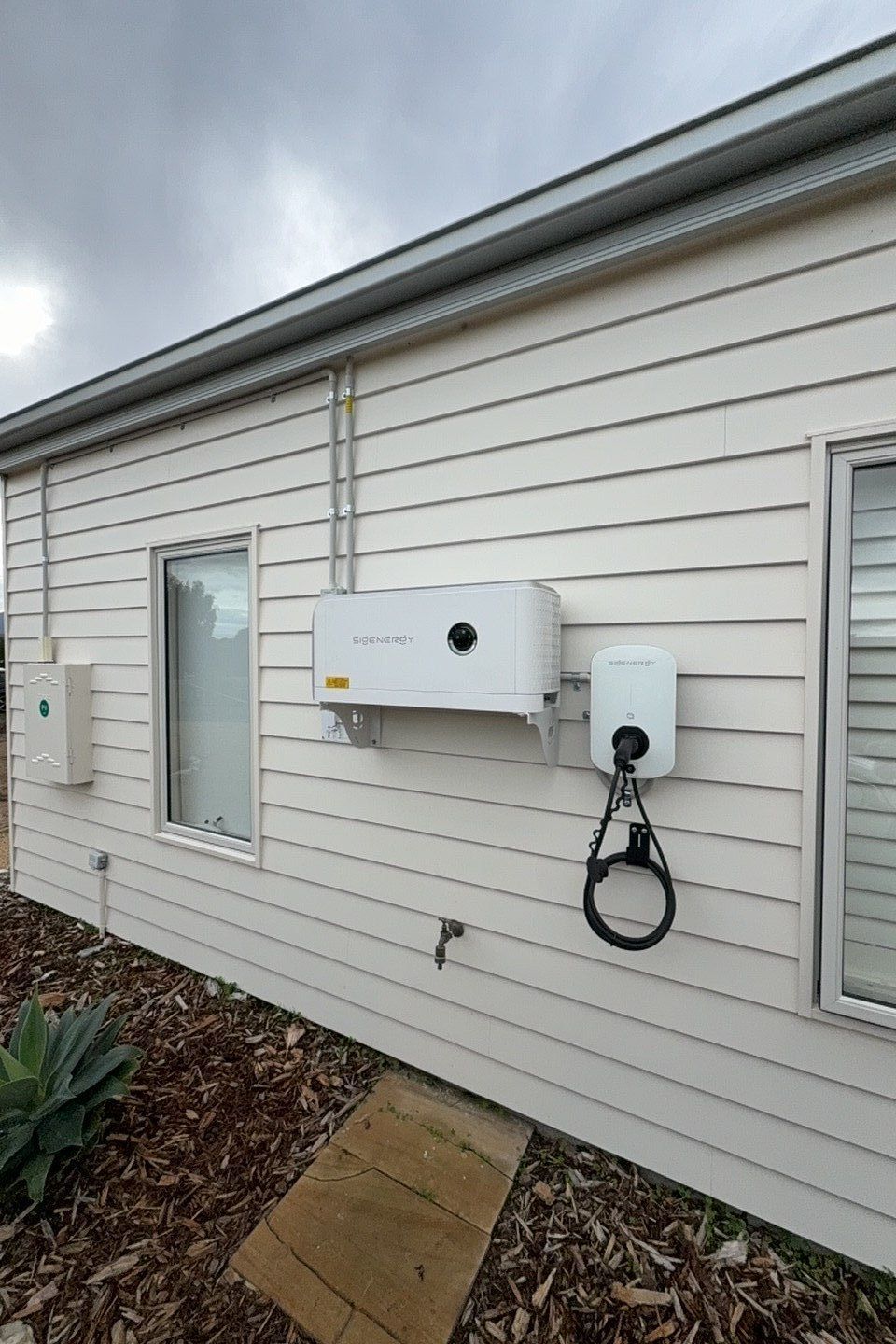
The inverter converts the DC power from your panels into the AC power your home actually uses. It's the part most likely to be installed badly, and a poor install means you've paid for a system that never gives you its full output. We use reliable string inverters, install them per the design, and add optimisers where shading calls for it. We won't upsell you on gear you don't need.
About 90% of installs use string inverters, and there's nothing wrong with them when they're wired correctly. The catch is shading: if one or two panels in a string are shaded, it can drag down the whole string. Where that's a problem, we install optimisers, which let the rest of the string perform normally and add a local safety feature that shuts down a panel if it detects arcing. Some companies push Enphase microinverters (one inverter per panel) as the premium option. They're good, but they're more complex and more expensive to install, and for most homes optimisers do the same job. We don't install Enphase because we don't believe most people need to pay for it. Newer inverters also include anti-arcing shutoff as standard.
BATTERIES
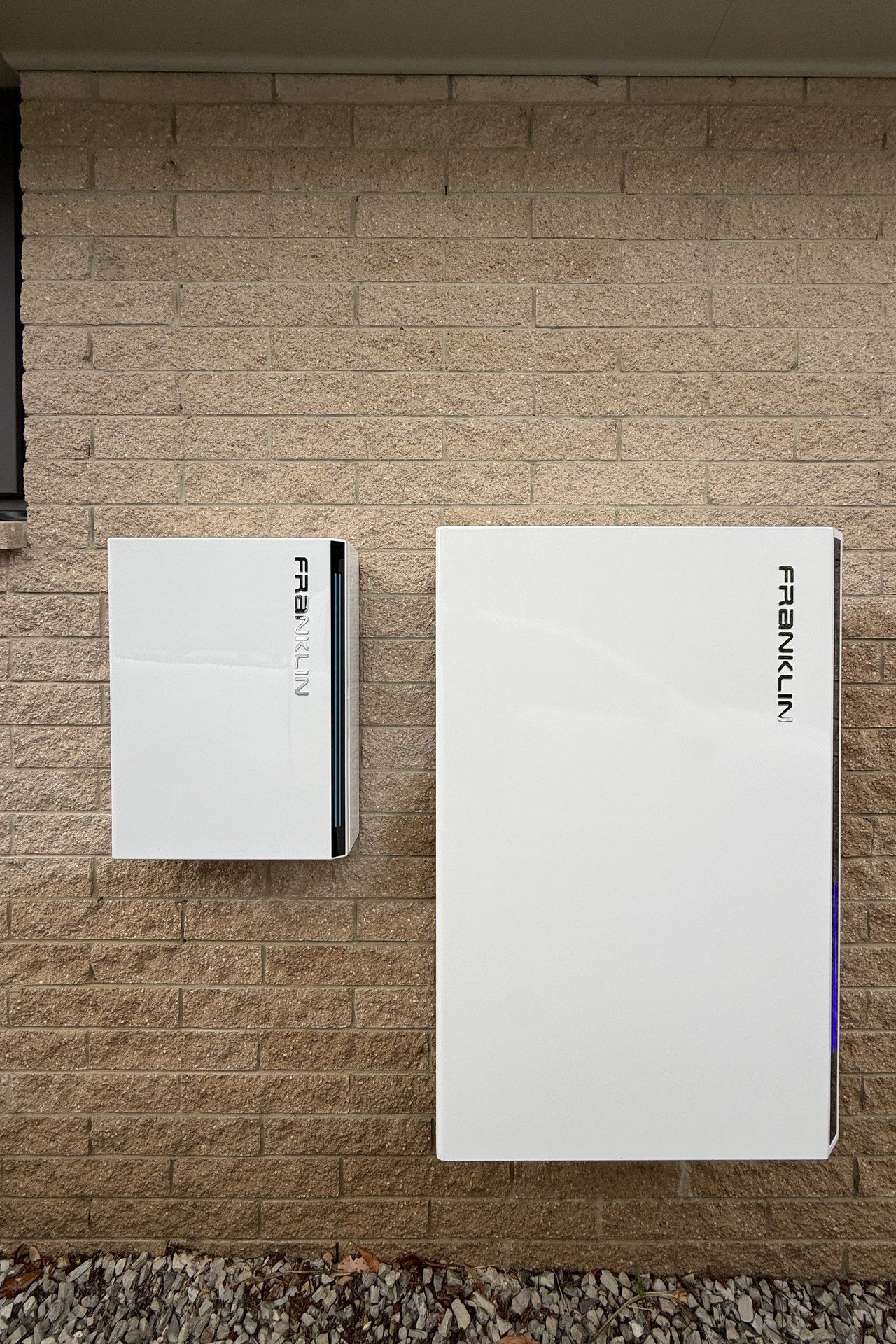
A battery lets you use the power you generate during the day at night, and can keep some of your home running during a grid outage. They're a great addition, but there's fine print the sales-driven companies tend to leave out until installation day, and we'd rather tell you up front.
Batteries are grid-tied by default. They're designed to work alongside the grid, not as an automatic off-grid supply. If you want backup power during an outage, that needs extra components installed, often $500 to $2,000 on top. There's also the switchboard: regulators require a compliant, up-to-date switchboard once a battery with backup is installed, and around 90% of switchboards out there are outdated. So some people who weren't told upfront get sprung with a switchboard upgrade, which can add around $3,000. None of this is a reason not to get a battery. It's just the kind of thing you deserve to know before you sign, not on the day. Batteries carry a 10-year warranty as standard, with one option on the market (the Franklin) offering 12 years.
ALSO AVAILABLE
We also install EV chargers and solar hot water systems as part of a wider home energy setup. If you're weighing these up alongside solar or a battery, Stu can talk you through what makes sense for your place and your budget.
BRANDS WE INSTALL
We only install equipment we trust to last. For mounting frames we use German-made Klenergy: aluminium, high quality, and backed by a 25-year warranty, rather than the cheaper frames common elsewhere. Across panels, inverters, and batteries we work with proven, Clean Energy Council approved brands backed by strong warranties.
AFTER THE INSTALL
A lot of installers fit your system and disappear. With Solar Coaster, the install is the start of the relationship, not the end. You've got one point of contact for anything that comes up, and it's Stu.
We recommend a safety inspection every 12 months: a check for any vermin, debris, or wear, and a general test to make sure the system's intact and safe. How often panels need washing depends on where you live, anywhere from monthly to yearly if you're near the coast (salt) or a dusty area. We also install your inverter and battery out of direct sun wherever possible, because heat and sun exposure shorten their life and can void warranties, something a lot of installers ignore.
No pressure. No sales pitch. Just an honest conversation about whether solar makes sense for your home.
Or call Stu directly: 0417 313 737